Birth is not the end — it’s the beginning of recovery
Meeting your baby is one of the happiest moments of your life. But behind that joy lies an enormous physical and emotional transformation. There is a Korean saying: “How well you recover after birth determines your health for life.” This guide offers practical postpartum recovery tips for new moms giving birth in the United States.
1. Understanding What Happens to Your Body After Birth
The 6-Week Postpartum Period
Medically, the first six weeks after birth are called the “postpartum period” — a time of remarkable change and recovery in your body.
🫁 Uterine Contractions
- Your uterus shrinks from watermelon-size back to normal over 6 weeks
- You may feel afterpains during this process
- Contractions feel stronger during breastfeeding
🩸 Lochia (Postpartum Bleeding)
- Vaginal discharge continues for 2–6 weeks after birth
- Starts bright red → turns brown → then yellowish
- See your doctor if it suddenly increases or smells bad
⚡ Hormone Shifts
- Pregnancy hormones drop sharply; nursing hormones rise
- Can cause mood swings, increased sweating, and hair loss
- Usually temporary; severe cases may need professional support
🦴 Pelvic Floor Recovery
- Stretched pelvic floor muscles take months to recover
- Urinary leakage and pelvic discomfort are common
- Kegel exercises support gradual recovery
2. Rest Is Your Best Medicine

Sleep Is Healing
The single most important tool for postpartum recovery is sleep. While you sleep, your body repairs damaged tissue, rebalances hormones, and rebuilds your immune system.
Sleep When Baby Sleeps
Follow the golden rule: “When baby sleeps, mom sleeps.” The dishes and laundry can wait.
Share Night Duties
Your partner can handle diaper changes and bring the baby for feeding so you can go right back to sleep.
Optimize Your Sleep Space
Keep the room dark and cool. Use white noise. Turn off phone notifications to eliminate distractions.
Activity Timeline: A Step-by-Step Recovery Plan
Complete Rest
Spend most of your time in bed · Minimize stair use · Avoid lifting anything heavier than your baby · Limit visitors
Gradual Increase in Activity
Light activity indoors · Short walks of 10–15 minutes · Still avoid strenuous housework · Listen to your body
Return to Normal Activities
Get clearance at your 6-week checkup · Discuss starting exercise with your doctor · Still ease back gradually
3. Postpartum Nutrition: Eating for Recovery

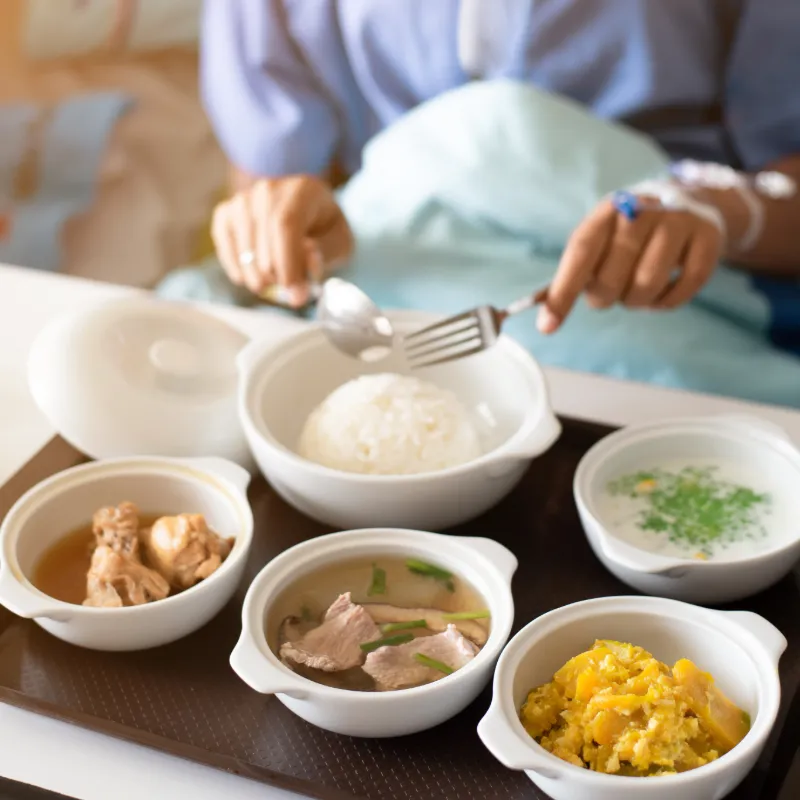
The Science Behind Korean Postpartum Food
🍲 Seaweed Soup (Miyeok-guk)
- Rich in iodine → supports thyroid recovery
- High fiber → prevents constipation
- Calcium-rich → supports bone health
- Warm broth → keeps you hydrated
🍗 Protein-Centered Meals
- Chicken, beef, fish, tofu, eggs
- Essential for tissue repair and milk production
- Aim for a palm-size portion of protein at every meal
- Pair with iron-rich foods
What to Eat vs. What to Avoid
✅ Recommended Foods
- 🌿 Seaweed soup — iodine, calcium, fiber
- 🥩 Iron-rich foods — spinach, beef, black beans
- 🥚 Protein — hard-boiled eggs, Greek yogurt
- 🫐 Overnight oats — convenient iron and fiber boost
- 💧 8–10 glasses of water daily — especially while nursing
❌ Foods to Avoid
- ☕ Caffeine — limit to 1–2 cups/day (passes into breast milk)
- 🍺 Alcohol — avoid completely for safest recovery
- 🍔 Processed & junk food — promotes inflammation, hinders healing
- 🧊 Cold foods & drinks — can impair digestion and recovery
4. C-Section Postpartum Recovery
⚠️ A C-section is major surgery
Because it involves abdominal surgery, recovery takes longer than a vaginal birth and requires special care. Take your prescribed pain medication on schedule — pushing through pain slows healing.
C-Section Recovery Timeline
Bed Rest Priority
Light indoor activity only · Focus solely on baby care and feeding · Gently clean incision once daily, dry completely · Avoid tight clothing
Gradual Activity Increase
Short walks okay · Still no heavy lifting · Roll to your side when getting out of bed · Use a pillow when coughing or laughing
Assessment and Return to Normal
6-week checkup to assess recovery · Resume driving (with doctor approval) · Light exercise can begin
🚨 Contact Your Doctor Immediately If You Notice:
- Foul-smelling discharge from the incision
- Fever of 100.4°F (38°C) or higher
- Feeling like the incision is opening
- Severe pain not controlled by prescribed medication
5. Emotional Recovery and Preventing Postpartum Depression

Baby Blues vs. Postpartum Depression
😢 Baby Blues
- Affects 70–80% of new mothers
- Typically starts 2–3 days after birth
- Resolves naturally within 2 weeks
- No special treatment needed
Coping: Rest · Talk to someone · Take short walks
🆘 Postpartum Depression (PPD)
- Lasts more than 2 weeks
- Interferes with daily life
- Difficulty bonding with baby
- Professional help is essential
Treatment: Therapy · Support groups · Medication if needed
Seek help immediately if any of these symptoms last more than 2 weeks:
- Unable to care for yourself or your baby
- Thoughts of harming yourself or your baby
- Extreme anxiety or panic attacks
- Persistent sadness and hopelessness
Strategies for Emotional Recovery
🪞 Self-Care
- Even 10 minutes of alone time helps
- Take a warm shower or bath
- Listen to music you love
🤝 Stay Connected
- Don’t isolate yourself
- Connect with other new moms
- Join an online mom community
6. Pelvic Floor Strengthening and Kegel Exercises

Your pelvic floor muscles support the uterus, bladder, and bowel. Pregnancy and childbirth can weaken them, leading to urinary leakage, pelvic discomfort, and other issues.
How to Do Kegel Exercises Correctly
5-Step Kegel Exercise
- 1Squeeze the muscles you use to stop urinating
- 2Hold the contraction for 5 seconds
- 3Relax for 5 seconds
- 4Repeat 10 times
- 5Do 3 sets per day
When to start: Vaginal birth — you can begin right away · C-section — wait a few days after delivery
Postpartum Exercise Guide
✅ Recommended (First 6 Weeks)
- Kegel exercises (pelvic floor)
- Diaphragmatic breathing
- Gentle stretching
- Slow walking (10–15 min)
❌ Avoid Until After Week 6
- Crunches and planks (increase abdominal pressure)
- High-intensity interval training (HIIT)
- Jumping or running
- Heavy weightlifting
7. Breastfeeding and Postpartum Recovery
How Breastfeeding Affects Recovery
Benefits
- Stimulates uterine contractions → reduces postpartum bleeding
- Supports weight loss (burns about 500 calories/day)
- Lowers risk of postpartum depression
- Builds mother-baby bonding
Things to Keep in Mind
- You need more calories than usual
- Increase your water intake
- Calcium loss is possible (supplement if needed)
Common Breastfeeding Issues and How to Handle Them
🤱 Nipple Pain
Correct latch is key · Rub breast milk on nipples after feeding and let air dry · Use lanolin cream · See a lactation consultant for persistent pain
🔴 Breast Engorgement
Feed frequently · Apply warm compress before feeding, cold compress after · Gentle massage · Hand express or pump if needed
🚨 Mastitis (See Your Doctor Right Away)
Fever + red, hot, painful area in breast → may need antibiotics · Continue nursing if possible
8. Returning to Work and Balancing Life
Back-to-Work Checklist
- ☐ Secure childcare support (daycare, family, nanny)
- ☐ Arrange pumping room and schedule with your employer
- ☐ Prepare your breast pump and supplies
- ☐ Explore the option of a phased return
- ☐ Prepare your clothes and bag the night before
Managing Working Mom Guilt
Working moms are good moms. Your baby feels your love. Taking care of yourself is also good for your child — a healthy mom raises a healthy baby.
9. Warning Signs: When to Call Your Doctor
🚨 Contact Your Doctor Immediately For:
Postpartum Recovery Is a Marathon, Not a Sprint
It takes at least 6 months to a year for your body to fully recover after childbirth. That’s not a failure — it’s nature.
- ✦ There is no such thing as a perfect recovery. Embrace your new normal.
- ✦ Don’t compare yourself to other moms. Every journey is different.
- ✦ Celebrate every small step forward.
- ✦ Asking for help is a sign of strength, not weakness.
Mom Helper USA Postpartum Care Services
Recovery can feel overwhelming. You don’t have to do it alone. A healthy mom means a healthy baby.
What Our Professional Postpartum Caregivers Provide
Share your due date and current situation, and we’ll provide a personalized consultation. Request your free consultation today at momhelperusa.com.
Did this guide help you? Please share it with other moms preparing for birth or navigating postpartum recovery.
- postpartum recovery
- postpartum care
- kegel exercises
- postpartum depression
- breastfeeding