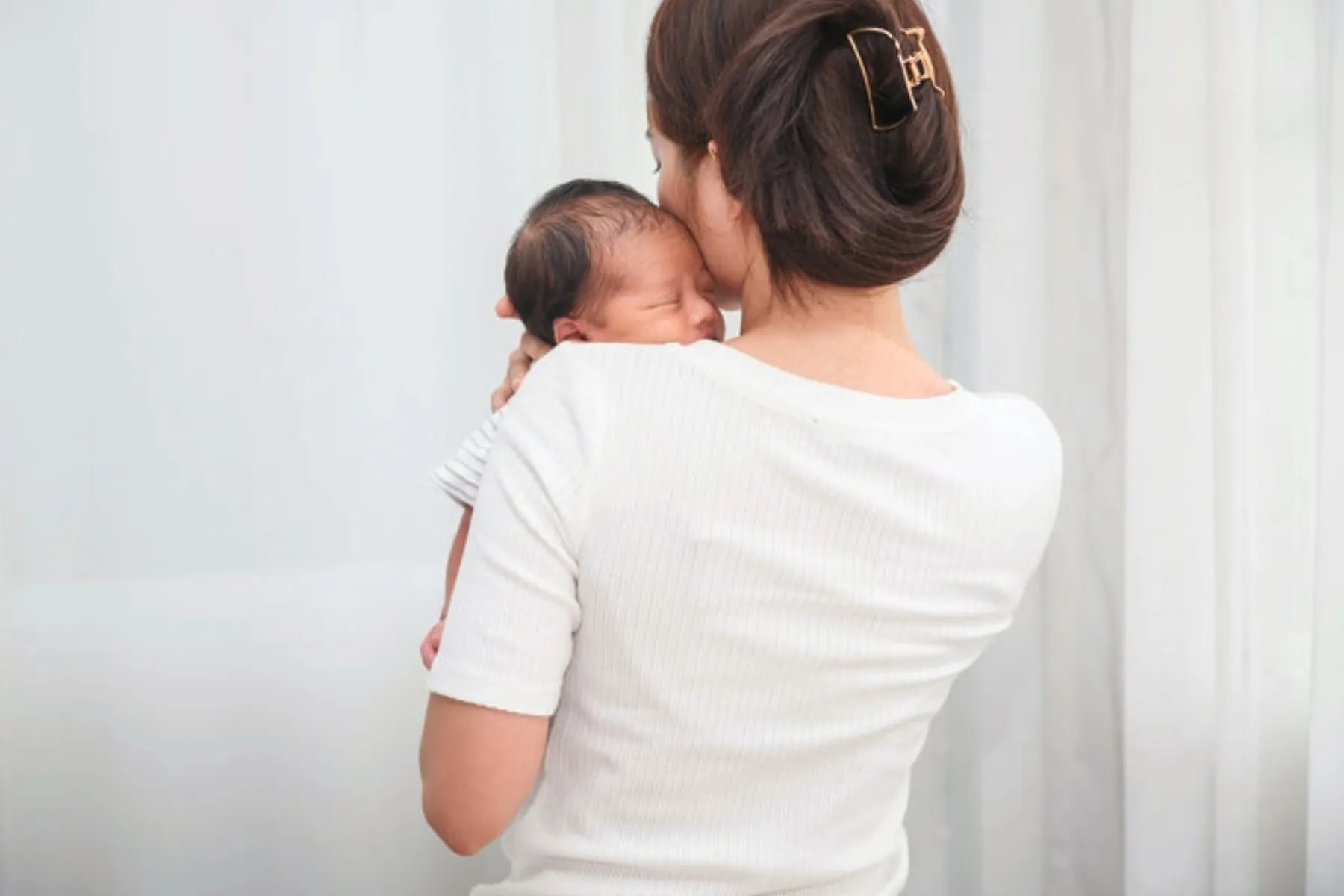
Same childbirth, very different postpartum realities
If you are preparing for birth in the U.S. but grew up with Korean postpartum expectations, this guide helps you compare both systems and build a realistic recovery plan for your family.
Quick Snapshot
Korea
Longer structured recovery, stronger family support, and postpartum-centered meals.
United States
Faster discharge, faster return to routine, and more self-managed postpartum care.
Best Approach
Use Korean recovery strengths and U.S. practical flexibility together.
1. Hospital Birth Experience
Korea
- Vaginal birth: typically 2-3 days in hospital
- C-section: often 5-7 days
- Postpartum-focused education and repeated feeding guidance
- Family involvement and longer visiting culture
- Discharge often followed by postpartum center or family care
United States
- Vaginal birth: often 24-48 hours
- C-section: usually 2-4 days
- Essential guidance, but less postpartum specialization
- Visitor limits are common
- Most families go directly home and start care immediately
2. Recovery Timeline and Activity Level
Korean Pattern (Samchilil / 21 days)
- Week 1: near-complete rest
- Week 2: light movement indoors
- Week 3: gradual household activity
- After Week 4: activity rises slowly
- Strong emphasis on avoiding overexertion early
U.S. Pattern (6-week medical check)
- Week 1: recovery begins at home
- Week 2: many moms start solo daytime baby care
- Weeks 3-6: gradually return to normal errands/routine
- After 6 weeks: many resume broader activities/work planning
- Faster functional recovery is commonly expected
3. Diet and Nutrition
Korean Postpartum Nutrition
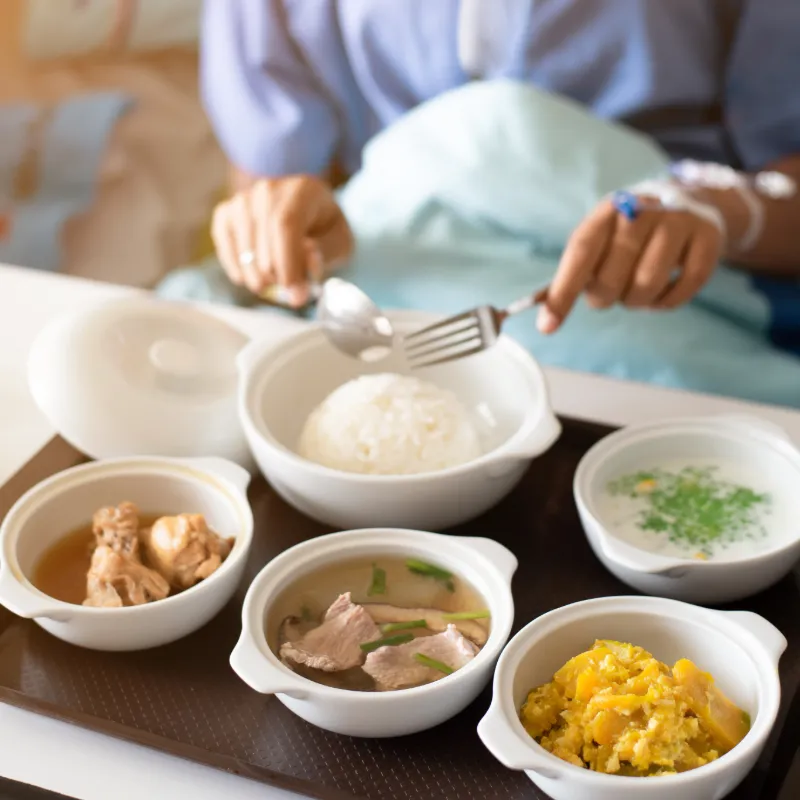
- Warm, digestible, nutrient-dense meals
- Miyeok-guk (seaweed soup) as a staple
- Structured meal support from family/helper
- Traditionally avoids cold foods early postpartum
Typical U.S. Nutrition Approach
- Balanced calories, hydration, convenience
- Home meals + takeout/frozen options
- No strict postpartum menu in most settings
- Flexible based on individual preference
4. Baby Care and Breastfeeding Culture
Korea
- Mother's recovery is prioritized
- Helpers/family often share newborn workload
- Mixed feeding is commonly accepted
- More room for maternal rest and sleep
United States
- Rooming-in and direct parent care from day one
- Higher pressure toward exclusive breastfeeding
- Parents learn by doing quickly
- Can increase fatigue without extra support
5. Emotional Support and Social Pressure
Korean Context
- Stronger community/family caregiving norms
- More visible postpartum rituals and support behaviors
- Recovery is socially validated
- But some expectations can also feel restrictive
U.S. Context
- Higher independence expectation
- Shorter leave and earlier return pressure for many moms
- Better formal mental-health screening access
- But isolation can be more common
6. Cost Comparison (High-Level)
Korea: childbirth and postpartum support are generally more accessible through insurance/social structures.
United States: costs vary widely by insurance, state, city, and care model; private postpartum support can be expensive.
Planning Tip: build a postpartum budget before delivery (hospital out-of-pocket + 2 to 4 weeks of support + backup care).
U.S. Cost Factors
- Insurance type and deductible
- City/region labor rates
- Daytime vs overnight care
- Total weeks of support
- Agency vs direct hire model
Support Options to Mix
- Professional helper for first 2 weeks
- Part-time support in weeks 3-4
- Partner leave scheduling
- Meal prep + community help
- Mental-health check-ins
7. Pros and Cons by System
Korean-Style Strengths
- Better early rest and nutrition structure
- Shared caregiving lowers immediate stress
- Step-by-step learning support
Korean-Style Tradeoffs
- Can feel expensive or restrictive
- Possible dependence on external support
- Partner involvement may be reduced in some setups
U.S.-Style Strengths
- Fast practical parenting adaptation
- Strong partner-family teamwork opportunity
- Higher flexibility and personal choice
U.S.-Style Tradeoffs
- Insufficient rest is common
- Higher risk of isolation and burnout
- Paid support can be costly
8. Practical Plan for New Moms in the U.S.
Phase 1 (Weeks 0-2)
- Protect maternal sleep and pain recovery
- Use concentrated helper/family support
- Meal and hydration routine first
Phase 2 (Weeks 3-4)
- Shift to part-time support
- Build sustainable baby-care rhythm
- Keep one protected rest block daily
Phase 3 (After Week 4)
- Increase independence gradually
- Track mood, sleep, and physical symptoms
- Maintain backup support plan
Communication Rule
- Set boundaries early with relatives/visitors
- Align partner responsibilities in writing
- Ask for help before burnout starts
9. Your Best Choice Is the One You Can Sustain
There is no single correct postpartum model. The right plan is the one that protects:
- Mother's physical recovery
- Mother's mental stability
- Baby's safety and feeding rhythm
- Family teamwork and long-term sustainability
Build Your U.S. Postpartum Plan with Confidence
Tell us your due date, city, and support needs. We can help you combine Korean care strengths with a realistic U.S. routine.
Website: momhelperusa.com
- postpartum care usa
- korean postpartum care
- postpartum recovery
- new moms in usa