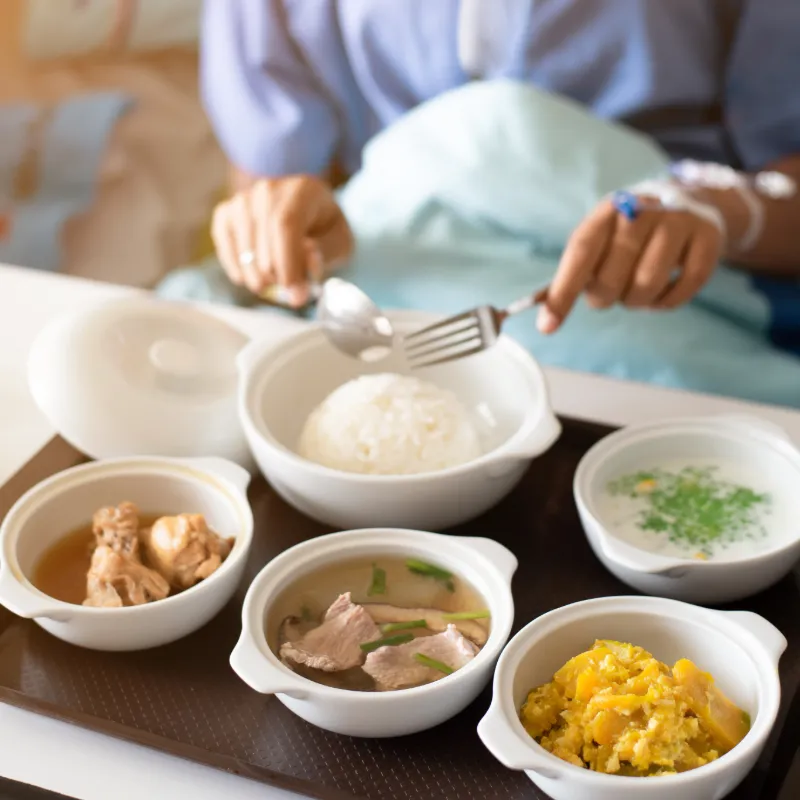


"It's been two weeks since I had my baby, and I keep crying. My baby is so beautiful, but I'm not happy..."
This is the confession of Sujin (31), a Korean-American mom in LA. She is not alone. 1 in 5 new mothers in the United States experiences postpartum depression — yet 80% never receive treatment.
Why don’t they seek help? The reasons are painfully familiar to many Korean-American mothers:
- The pressure that “mothers are supposed to be naturally happy”
- The shame of “am I the only one struggling?”
- The fear of being seen as weak
- Language barriers and lack of culturally relevant information
This guide will help you recognize the early signs — and get help before it gets worse.
1. Baby Blues vs. Postpartum Depression
Baby Blues
- When: Starts 2–3 days after birth
- How common: 70–80% of mothers
Symptoms:
- Tearfulness without reason
- Mood swings and anxiety
- Fatigue and difficulty concentrating
Duration: Usually resolves within 2 weeks on its own
Postpartum Depression (PPD)
- When: Weeks to months after birth, up to 1 year
- How common: 10–20% of mothers
Symptoms:
- Depression lasting 2+ weeks
- Disinterest in baby or excessive anxiety
- Intense guilt, worthlessness, or rage
- Thoughts of self-harm
Duration: Requires treatment — does not resolve on its own
Why Does PPD Happen?
PPD is not a personal failing. It is caused by a combination of real, physiological factors:
- Hormonal crash: Estrogen and progesterone, elevated up to 10x during pregnancy, drop sharply after delivery — disrupting brain chemistry
- Sleep deprivation: One of the most powerful triggers of depression
- Physical recovery: Birth trauma, pain, and physical depletion
- Identity shift: The overwhelming pressure and reality of a new role
- Social isolation: Especially acute for immigrant mothers far from family
For Korean-American mothers, additional cultural factors raise the risk:
- Guilt over not completing traditional postpartum care (산후조리)
- Cultural pressure to appear strong and not complain
- Mental health stigma (“psychiatry is for people who are crazy”)
- Language barriers that make it hard to find or access help
2. Early Warning Signs: 2-Week Checklist
If 5 or more of the following persist for 2 or more weeks, this may be postpartum depression:
- ☐ Persistent sadness or emptiness throughout the day
- ☐ Crying without an obvious reason
- ☐ Disinterest in your baby — or excessive, consuming anxiety about them
- ☐ Extreme fatigue even after sleeping
- ☐ Unable to sleep even when the baby sleeps
- ☐ No appetite, or constant overeating
- ☐ Difficulty making decisions or concentrating
- ☐ Heart racing, hyperventilating, constant dread
- ☐ Feeling like a bad mother / "I'm ruining my baby"
- ☐ Withdrawing from friends, family, and daily life
- ☐ Explosive anger or irritability over small things
- ☐ ⚠️ Thoughts of self-harm or harming the baby
⚠️ If you have thoughts of self-harm or harming your baby, seek help immediately.
Call 988 (Suicide & Crisis Lifeline, Korean available) or go to your nearest emergency room.
Severity Guide
Mild
5–6 symptoms. Daily life is hard but possible. Can care for baby — but don't wait. Make an appointment now.
Moderate
7–8 symptoms. Daily functioning is difficult. Struggling to care for baby. Needs professional support promptly.
Severe
9+ symptoms, or any thoughts of self-harm. Cannot function. Seek help today.
3. Signs Korean-American Mothers Often Miss
Many Korean-American mothers dismiss their symptoms because of deeply held beliefs. Here is the truth behind each one:
"But I cry a lot — depression is different."
→ Depression is not always sadness. Numbness, rage, and anxiety are equally common forms of PPD.
"I love my baby, so I can't have depression."
→ You can deeply love your baby and still have PPD. They are completely separate things.
"I have good days, so it must not be real."
→ PPD fluctuates. Having good days does not mean it isn't depression.
"It's because I didn't do proper postpartum care."
→ Traditional care is helpful, but PPD is caused by hormonal and neurological changes — not by how well you rested.
"I'm just weak."
→ PPD is a medical condition — like a broken bone. Strength and willpower do not prevent it.
“In Korea I was afraid they’d say I was mentally weak. After treatment in the U.S., I only regret not getting help sooner. I wasn’t weak — I was sick.” — Minji, Seattle
4. When to Seek Emergency Help
Call 911 or go to the ER immediately if you experience:
- 🚨 "I want to die" or making plans
- 🚨 Fear you might hurt your baby
- 🚨 Hearing or seeing things that aren't there
- 🚨 Extreme confusion or paranoia (postpartum psychosis)
Emergency numbers:
- 911 — Emergency services
- 988 — Suicide & Crisis Lifeline (Korean available)
- 1-800-944-4773 — Postpartum Support International
- 1-800-273-8255 — National Suicide Prevention (Korean available)
5. Getting Professional Help
The 2-Week Rule
If symptoms persist for 2 or more weeks, schedule an appointment with your doctor. Don’t wait.
Who Can Help
How to Find a Provider
Through your insurance:
- Call the number on the back of your insurance card
- Ask for a “mental health provider” who treats “postpartum depression”
- Request a Korean-speaking provider if needed
Online resources:
- postpartum.net — Postpartum Support International, provider directory
- Psychology Today — Search for Korean-speaking therapists by zip code
- NAMI (National Alliance on Mental Illness) — Korean chapter support
6. Treatment Options
Talk Therapy (Psychotherapy)
Cognitive Behavioral Therapy (CBT)
Identifies and changes negative thought patterns. Practical coping tools. Short-term (8–12 weeks) with strong results for PPD.
Interpersonal Therapy (IPT)
Addresses the relationship and role changes that come with new motherhood. Highly effective for PPD.
Medication
Antidepressants (SSRIs) are safe, effective, and commonly prescribed for PPD. The most widely used options include:
- Zoloft (sertraline) — most commonly prescribed during breastfeeding
- Prozac (fluoxetine)
- Lexapro (escitalopram)
Safe during breastfeeding? Yes. Your doctor will choose options with minimal transfer to breast milk. The risk of untreated depression to you and your baby is far greater than the minimal risk of medication.
Timeline: You may notice improvement in 2–4 weeks; full effect in 6–8 weeks. Plan to continue for at least 6–12 months to prevent relapse. Never stop suddenly — taper with your doctor.
Most Effective: Combined Treatment
Therapy + medication + practical support (adequate sleep, nutrition, exercise, and connection) gives the fastest, most durable recovery.
7. Self-Care Alongside Treatment
Self-care doesn’t replace treatment, but it accelerates recovery:
Do These
- Sleep when the baby sleeps — let the house go
- Share night feedings with your partner
- Eat something, even simple — omega-3s and Vitamin D help
- Take a 10–15 minute walk outside daily
- Talk to at least one person each day
- Set realistic expectations — no perfect mothers exist
Avoid These
- ❌ Suffering in silence
- ❌ Alcohol (worsens depression)
- ❌ Excessive caffeine
- ❌ Self-blame and comparison
- ❌ Refusing help from others
- ❌ Social media as a measure of "normal"
8. How Partners and Family Can Help
What Partners Should Do
Say This
- "This is not your fault."
- "We'll get through this together."
- "Let's find you someone to talk to."
- "I'll come to the appointment with you."
Never Say This
- ❌ "Just think positive."
- ❌ "Other mothers manage fine."
- ❌ "You just need more rest."
- ❌ "You're being dramatic."
For Korean parents and in-laws: “You didn’t do proper postpartum care” and “just endure it” are harmful, not helpful. PPD is a medical condition — not a character flaw and not a failure of traditional care.
9. Prevention: Know Your Risk
You are at higher risk for PPD if you have:
- A personal or family history of depression
- Experienced pregnancy complications or a NICU admission
- Limited social support — particularly as a first-generation immigrant
- Financial stress or relationship conflict
- Previously experienced PPD
If you’re high-risk: Talk to your OB/GYN during pregnancy. Early monitoring and even preventive therapy can make a significant difference.
10. Recovery Timeline
2–4 weeks
First signs of improvement
6–8 weeks
Clear, noticeable improvement
3–6 months
Mostly recovered
6–12 months
Full recovery
Recovery is not a straight line — good days and hard days are both normal. The earlier treatment starts, the faster recovery goes.
11. Real Mothers’ Stories
Sujin, 31 — Los Angeles: “I cried alone for 3 months. I was angry when my husband suggested a psychiatrist. ‘I’m not crazy!’ But I felt like I would go crazy if I didn’t go. After medication and therapy, I was a different person within 2 months. My only regret is not going sooner.”
Mina, 28 — New York: “My baby was 5 months old and I still didn’t feel love. I thought I wasn’t qualified to be a mother. My therapist said, ‘Love takes time — and you’re sick.’ I cried. I recovered in 6 months with therapy alone, no medication. Now I’m happy with my baby.”
Hyejin, 34 — Chicago: “I had suicidal thoughts. My husband took me to the ER. I was hospitalized for a week. It was scary — but it saved my life. Two years later, I’m healthy. I had a second baby. With treatment, you can fully recover.”
12. Cost and Insurance
| Option | Cost |
|---|---|
| Insurance (most plans) | $20–50 copay per session (mental health is an ACA essential benefit) |
| Medicaid | Free |
| EAP (Employer Assistance Program) | Usually 6–8 sessions free through employer |
| Community Mental Health Centers | Sliding scale / low cost |
| Medication (after insurance) | $10–50/month |
It’s Not Your Fault
Postpartum depression is:
- ✓ Not your fault
- ✓ Not a sign of weakness
- ✓ Not being a bad mother
- ✓ Treatable
- ✓ Fully recoverable
Asking for help is:
- ✓ Courage
- ✓ Strength
- ✓ The best thing for your baby
- ✓ The best thing for you
1 in 5 mothers experiences this. Treatment works. You will smile again. You will enjoy motherhood.
Mom Helper USA Is Here for You
Our postpartum helpers are trained to recognize the early signs of PPD, encourage doctor visits, ensure you get enough sleep, and provide emotional support through practical, hands-on help.
We do not judge. We maintain confidentiality. We can help connect you to professional resources.
If you’re struggling, please reach out. Don’t suffer alone.
Website: momhelperusa.com | Korean consultation available
If this helped you, please share it with another struggling mother. Your share could save a life.
Emergency: If you have thoughts of suicide or harming your baby, call 988 now. Available 24 hours, free, and confidential.
- postpartum depression
- maternal mental health
- baby blues
- postpartum anxiety
- PPD treatment
- Korean American mothers
- new mom support